




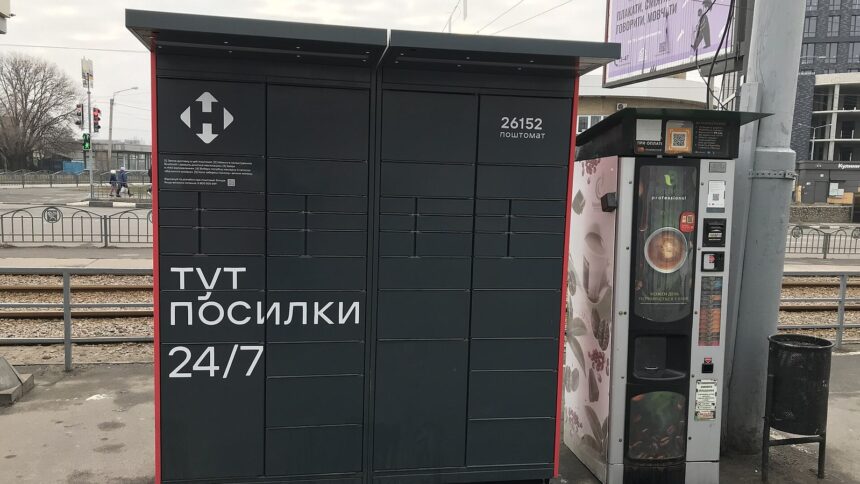
Bill No. 16051-1 on the taxation of e-commerce was supported by 252 MPs, with three voting against, Interfax-Ukraine reported. Together with it, parliament passed in its entirety the related Bill No. 15460, which amends the Customs Code and the rules for customs clearance of postal and express shipments. Both documents are conditions set by Ukraine’s international lenders: the third tranche of the IMF programme worth about $700 million and the second tranche of EU macro-financial assistance worth €3.7 billion depend on them.
“There is no room left for further delay. The price of the issue is failing to receive €4 billion in international financial assistance as early as September”
Serhiy Marchenko, Minister of Finance of Ukraine, September 16, 2026
What the law changes
The law introduces a special VAT regime for distance sales of goods (other than excisable goods) delivered to individuals in Ukraine by international postal and express shipments. The tax will not be collected from the buyer upon receipt of the parcel; instead, it must be included in the price on the platform. According to Forbes Ukraine and Interfax-Ukraine, the main rules are as follows:
- the VAT rate is 20% for parcels worth up to €150;
- the tax is charged and paid by electronic platform operators or intermediaries in Ukraine designated by them;
- the exemption remains for non-commercial shipments between individuals worth up to €45;
- goods worth up to €150 in unaccompanied baggage, as well as goods for security and defence needs, including energy equipment, remain VAT-free.
According to the bill’s authors, as cited by Forbes Ukraine, the new rules will bring the budget about UAH 10 billion a year. The revenue is to be directed to a special fund of the state budget for the needs of the Armed Forces.
Three attempts in the chamber
The law’s path proved difficult. According to Forbes Ukraine, on September 1 the related customs Bill No. 15460 failed to win enough votes at first reading: initially 194 MPs supported it, and in a repeat vote 216, with 226 required. Tax Bill No. 16051-1 passed first reading on September 16 only at the third attempt, with 273 votes. MPs submitted 1,935 amendments ahead of the second reading, and the final vote, as Interfax-Ukraine notes, also succeeded only at the third attempt.
Abolishing the exemption was a structural benchmark of the memorandum with the IMF. The original deadline was the end of March, and after an update July 2026, but Ukraine met neither of these deadlines, Forbes Ukraine notes.
Which amendments were added
During the vote, a provision was added to the text on lifelong status for former politically exposed persons (PEPs), with enhanced bank monitoring for at least 12 months after they leave office. According to Interfax-Ukraine, this was meant to unblock the president’s signing of another law passed in June — No. 15111-d on the taxation of income from digital platforms. The chamber also backed an amendment cutting the personal income tax rate on income from renting out apartments from 18% to 5%.
Read also

What’s next
President Volodymyr Zelensky signed the laws on the taxation of parcels and of income from digital platforms, Forbes Ukraine reported on October 23. The main changes concerning parcels will take effect 45 days after the government publishes a decision on the system’s technical readiness, but no earlier than July 1, 2027. Before that, the government must prepare the necessary regulations and technical conditions for launching the new rules, Slovo i Dilo notes.