




This was reported by NBC News.
Despite this, Trump continues to position himself as the key mediator. He has taken part in phone talks with Zelensky and European leaders, in which he called for an end to purchases of Russian oil and for pressure on China over its support for Moscow. Last month he met Putin in Alaska, but the attempt to agree on a ceasefire failed. Trump then hosted Zelensky and European partners at the White House, announcing a possible meeting between the Ukrainian and Russian presidents. It never took place.
People in Trump’s circle acknowledge that the president does not want to ruin his personal relationship with Putin, considering it beneficial for the United States. According to Western officials, this allows him to maintain the image of a mediator trusted by both sides. Trump himself stresses in private conversations that Putin supposedly “wants to make a deal with me, as crazy as that sounds”.
However, American experts warn that this strategy carries risks. Trump applies sanctions that could force the Kremlin into concessions only to a limited extent, so as not to lose his status as an “honest broker”. One official stressed that the difficulty lies in choosing the right moment: “You need to know when to tighten sanctions and when to back off once progress appears.”
Another problem is the side effects of sanctions policy. Administration officials cite India as an example: after tariffs were raised over its imports of Russian oil, Washington’s relations with New Delhi deteriorated sharply. This week, Prime Minister Narendra Modi attended an event in China where he displayed warm relations with both Putin and Xi Jinping. According to US officials, such images were “not the best”.
Brett Bruen, a former White House director of global engagement in the Barack Obama administration, described Trump’s actions even more harshly: “We spent the last decade trying to build an Indo-Pacific partnership to curb China’s aggressive behaviour. Trump just took a bazooka to it.”
Read also
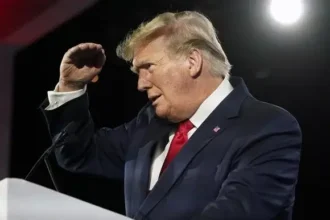
As a result, the US president’s peace initiatives have reached a dead end, and his diplomatic tactics are increasingly raising doubts among America’s partners.