



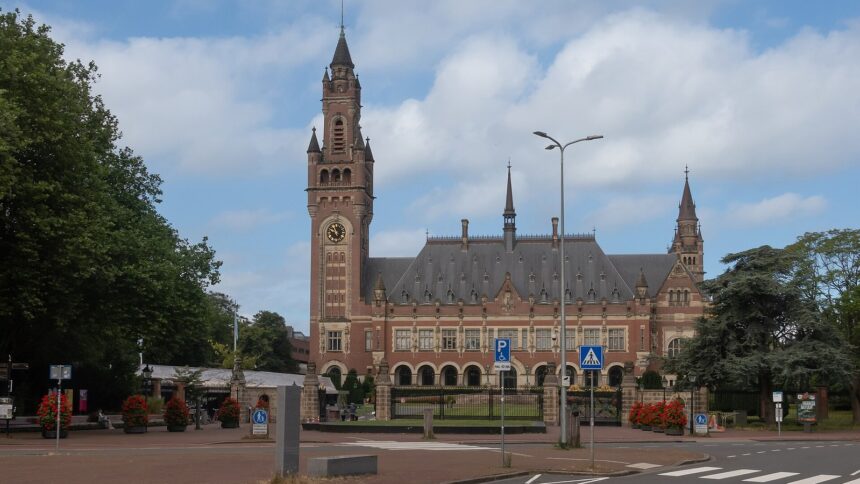
The judgment in The Gambia v. Myanmar was delivered on Thursday, November 19, 2026, at the Peace Palace in The Hague. It was read out by the court’s president, Yuji Iwasawa, and the reading took about three hours, according to UN News. By nine votes to six, the court ruled that Myanmar had violated the 1948 Convention on the Prevention and Punishment of the Crime of Genocide. The Gambia filed the case back in November 2019, and hearings on the merits were held from January 12 to 29, 2026.
The only reasonable inference that can be drawn from Myanmar’s conduct is the intent to destroy.
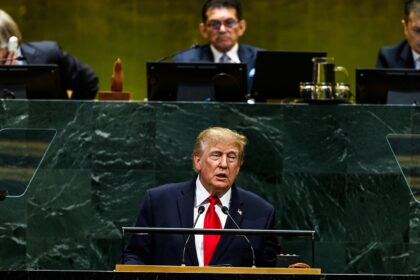
Yuji Iwasawa, President of the International Court of Justice
What exactly the court found
The court found that Myanmar’s security forces and other state bodies killed Rohingya, caused them serious bodily or mental harm, and imposed measures intended to prevent births within the group. This concerns the so-called clearance operations in northern Rakhine State in 2017. The court separately noted that the killing of infants confirmed the intent to prevent births among the Rohingya.
- By 9 votes to 6: Myanmar committed genocide and failed to prevent crimes by private individuals acting together with the military;
- By 11 votes to 4: Myanmar failed to punish those responsible and violated the court’s 2020 provisional measures on preserving evidence;
- By 14 votes to 1, the court rejected the charge of direct and public incitement to commit genocide.
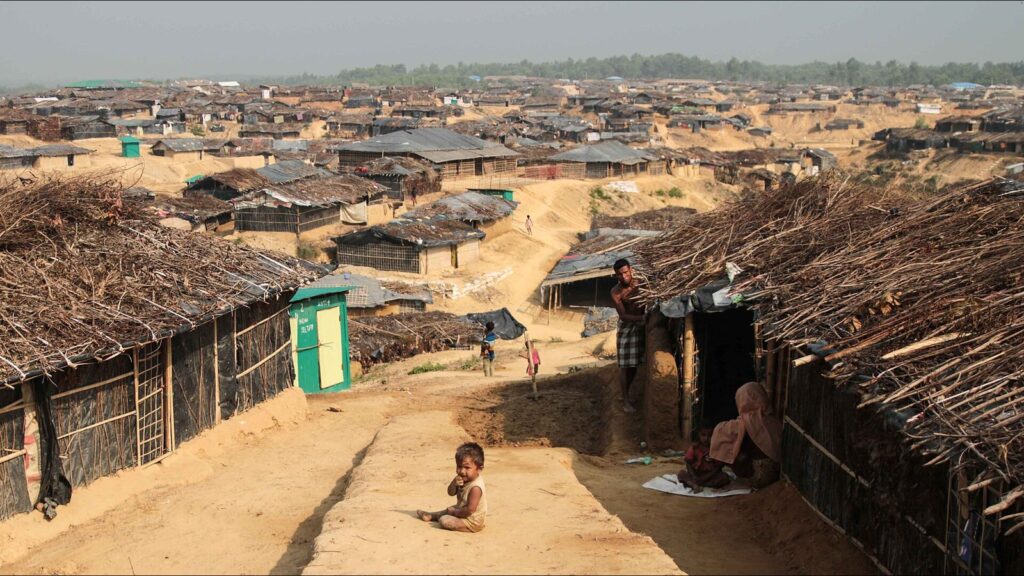
The court estimated that about 10,000 people were killed in 2017. Nearly 400 villages, about 40% of the nearly one thousand in three districts of northern Rakhine, were partially or completely destroyed. Around 700,000 Rohingya fled to neighbouring Bangladesh at the time. According to Al Jazeera, about 1.2 million refugees now live in camps near Cox’s Bazar.
What Myanmar must do
The court ordered Myanmar to adopt legislation fully implementing the Genocide Convention, to investigate the crimes and bring those responsible to justice, and to provide guarantees of non-repetition. Myanmar must ensure the safe, voluntary and dignified return of the Rohingya and the reunification of families, and, where that is not possible, pay compensation. It must report to the court within two years, and the amount of compensation will be determined at a separate stage.
During the proceedings, Myanmar denied the accusations and insisted that the military had been responding to attacks by armed groups. Since the 2021 coup, the country has been ruled by a military junta led by Min Aung Hlaing.
Reaction to the ruling
The Gambia’s justice minister, Dawda Jallow, said in The Hague that the court had confirmed what the Rohingya have been saying since 2017: genocide was committed against them, and Myanmar is responsible. “They survived, they testified, and today they were believed,” he said. UN Secretary-General António Guterres called the ruling “a powerful recognition of the victims of the Rohingya genocide” and pledged that the UN would study it carefully. Human Rights Watch urged Myanmar to comply with the court’s judgment immediately.
Read also

What it means for Ukraine
Ukraine is also suing Russia at the International Court of Justice under the Genocide Convention: the case was filed in February 2022, after the Kremlin justified its invasion with a fabricated “genocide” in Donbas. In March 2022, the court ordered Russia to suspend military operations, but Moscow ignored the ruling. The verdict in the Myanmar case shows the criteria the court uses to establish intent to destroy a group, and this approach will serve as a benchmark for other genocide cases before the court.
What’s next
The ICJ has no enforcement mechanisms of its own. If Myanmar fails to comply, The Gambia can turn to the UN Security Council, which, according to Human Rights Watch, has never used such a power. The court’s interpretation of the convention is also binding on the 11 states that intervened in the case. The next stage is Myanmar’s report on reparations, due by November 2028.