




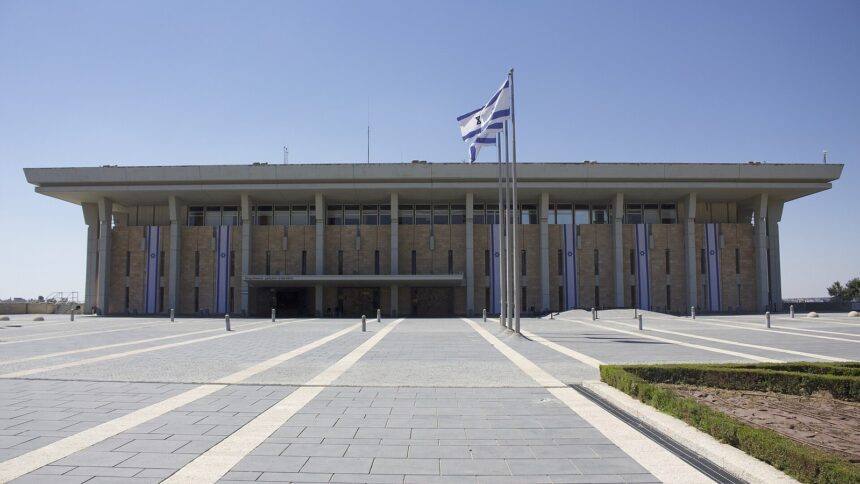
The election to the 26th Knesset was held on Tuesday, October 27. The committee published the final results on Friday after counting the double-envelope ballots, Gulf News and The Times of Israel reported. Turnout was 77.9%, with 5,716,665 voters casting ballots. The new Knesset is due to be sworn in on November 10.
We must do everything to avoid another round of elections.
Isaac Herzog, President of Israel
How the seats were distributed
Netanyahu’s Likud again became the largest faction, but his allies fell eight seats short of a majority. The final distribution, according to committee data cited by The Times of Israel and Gulf News:
- Likud — 27 seats;
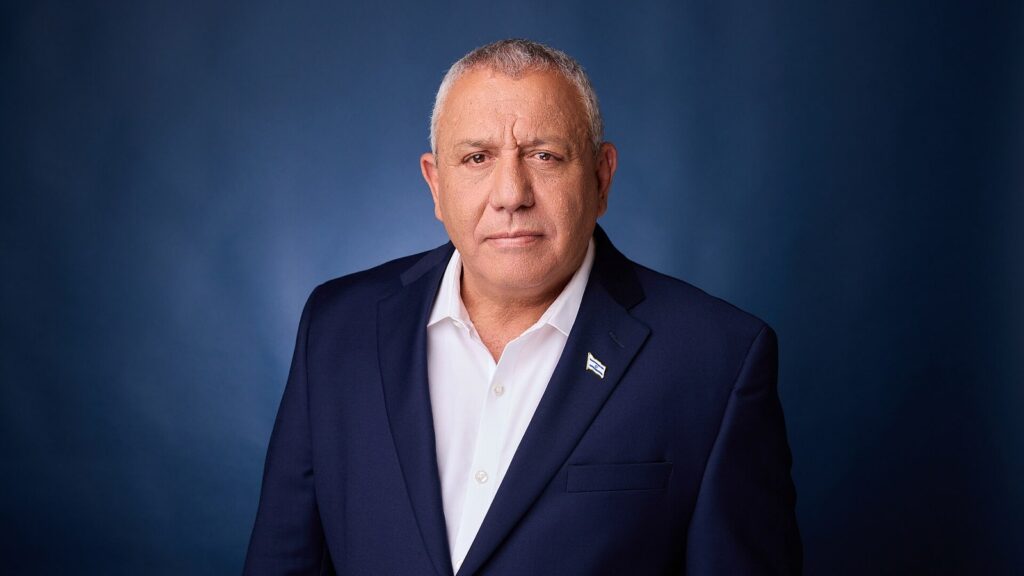
- Gadi Eisenkot’s Yashar — 21;
- Naftali Bennett’s Beyahad — 12;
- Joint List — 11;
- The Democrats and Ra’am — 8 each;
- Yisrael Beytenu, United Torah Judaism and Otzma Yehudit — 7 each;
- Shas and Religious Zionism — 6 each.
The Reservists, Am Yisrael and Haredi Public parties failed to pass the 3.25% electoral threshold.
Arab parties as kingmakers
The Joint List and Ra’am together won 19 seats, an unprecedented result. According to analysts cited by CNN, the high turnout among Arab citizens of Israel was partly a reaction to rising crime in Arab communities and to the actions of the far-right national security minister. The Joint List said it was ready for political cooperation to “put an end to Netanyahu’s rule.” However, Eisenkot’s allies Naftali Bennett and Avigdor Liberman have previously ruled out a government that would rely on Arab parties, and Ra’am leader Mansour Abbas considers an Eisenkot minority government unlikely, according to Channel 12.
Allegations of fraud
Likud accused Arab parties of “stealing the election” through vote-buying and fraud and called on the Shin Bet and police to investigate possible interference by “foreign elements.” The committee’s chairman, Deputy Supreme Court President Noam Sohlberg, asked the Shin Bet to look into suspicions of foreign funding, noting that he could not assess the seriousness of the evidence. At the same time, the committee’s director general, Dean Livneh, said the vote had been lawful and there were no grounds to speak of systemic violations. Qatar, which Israeli ministers named as an involved country, dismissed the allegations as “ridiculous and dangerous,” CNN reported.
What’s next
The official results will be presented to President Isaac Herzog on November 4. He will hold consultations with the factions and task the candidate with the best chance of securing 61 votes with forming a government. The candidate will have 28 days, with a possible 14-day extension. If no candidate succeeds, Israel faces a new election, and Netanyahu would remain acting prime minister until then. In theory, a national unity government of Likud, Yashar, Beyahad and Yisrael Beytenu would have 67 seats, but the opposition ran on a promise to remove Netanyahu from power.