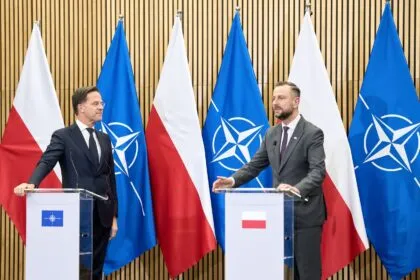




Ukraine’s Ministry of Defence announced the move, saying the document opens a new stage in scaling Ukrainian defence technologies under the DELTA Lab initiative.
What Germany gets
According to the ministry, Germany will be able to use DELTA to meet the needs of its own armed forces, adapt its capabilities, take part in building new functions and develop the system jointly with Ukraine. Germany also plans to support DELTA’s further development, including through the IT Coalition for Ukraine.
The ministry stressed that German use of the system does not involve the transfer of, or access to, combat or other operational data of Ukraine’s Defence Forces. The next step is a separate agreement setting out the practical, technical and legal terms of cooperation.
German technological expertise will help develop and scale the system’s capabilities.
Yevhenii Khmara, Minister of Defence of Ukraine
The minister described DELTA as a platform proven at the front and said the partnership would strengthen both countries and European security.
What DELTA is
DELTA is a combat digital ecosystem developed by the ministry’s Centre for Innovation and Development of Defence Technologies. It brings together tools for situational awareness, intelligence, planning and combat mission management.
Missiles for air defence
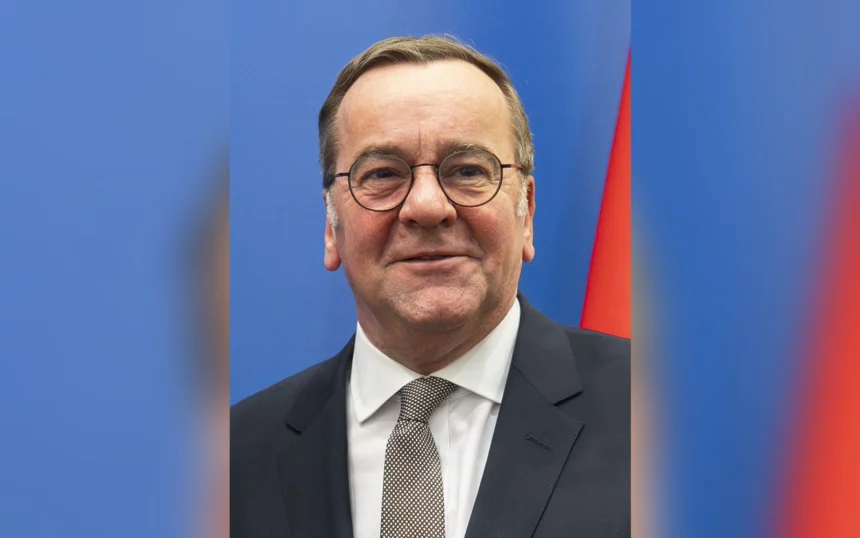
Khmara and Pistorius met in Berlin on 23 November. The main topic was strengthening Ukraine’s air defence ahead of winter. The two sides reached preliminary agreements on Ukraine receiving additional interceptor missiles; quantities and delivery dates have not been disclosed. The ministers also discussed defence-industrial cooperation, drone purchases for Ukraine for 2027 and sharing combat experience.
Read also
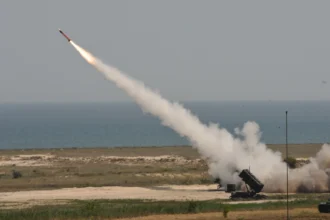
Earlier, Germany and Norway agreed to fund a new package of US weapons under the PURL initiative, focused on PAC-2 and PAC-3 missiles for Patriot systems, with Berlin contributing $300 million. Germany will also direct €30 million to the “Industrial Ramstein” programme.