



Rutte spoke on 23 November in Berlin at a joint appearance with Merz.
We will always take care to defend every centimetre of NATO territory, and that includes ensuring our security in space.
Mark Rutte, NATO Secretary General
On the military side, he said, the Alliance constantly assesses its deterrence and defence capabilities and makes changes where needed.
What the intelligence says
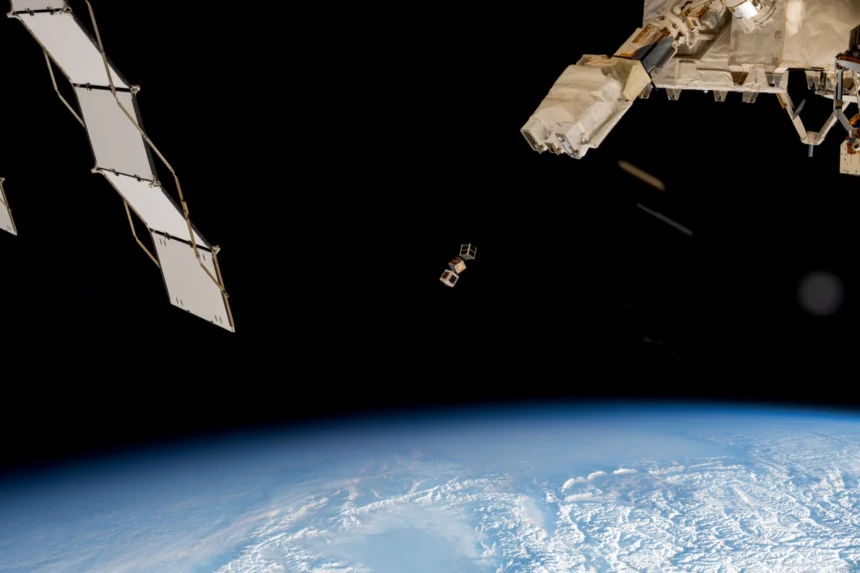
German media NDR, WDR and Süddeutsche Zeitung, citing anonymous military and intelligence sources, reported that NATO countries received intelligence this month about a possible Russian launch of a satellite with a nuclear warhead within the next 60 days. Tagesschau suggested the launch could come as early as December. It is not known which country produced the intelligence.
According to the reports, such a weapon could be used to disable or destroy other satellites, especially communications and reconnaissance satellites. The danger is that a nuclear explosion in orbit could damage a large number of spacecraft at once. European Space Agency chief Josef Aschbacher told Handelsblatt that a nuclear weapon in space would be the “worst-case scenario”.
Berlin’s reaction
Merz neither confirmed nor denied the intelligence reports.
Reports that Russia plans to place nuclear weapons in space are not new, but they remain no less shocking. They show the level of escalation Russia is evidently prepared to go to.
Friedrich Merz, German Chancellor
A German government spokesperson said the authorities take the information very seriously but urged against excessive nervousness about hypothetical threats.
Read also
The 1967 treaty
Russia is a signatory to the 1967 Outer Space Treaty, which bans placing weapons of mass destruction in orbit. Rutte has previously warned that such plans could violate the treaty and that NATO must prepare for Russia possibly using nuclear weapons against satellites. In 2024 the United States said Russia was developing a nuclear anti-satellite weapon; Moscow denied it at the time.
The Kremlin said it had not seen the latest reports and that information from unknown sources hardly deserved to be taken seriously. Russia’s embassy in Berlin called the accusations groundless.