



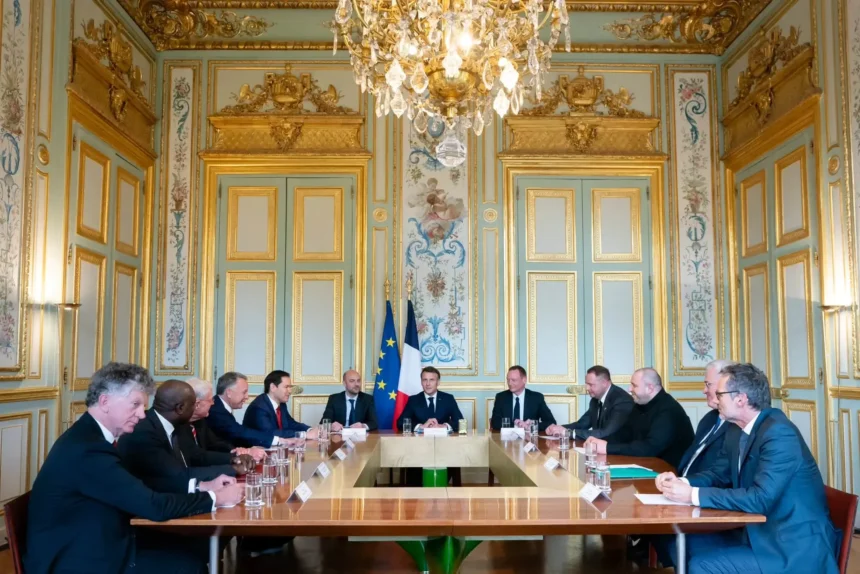
For the first time in a long while, representatives of the US, Ukraine and Europe sat down at the same table, which was especially important amid EU fears of being sidelined from the peace process. French Foreign Minister Jean-Noël Barrot stressed that the discussions in Paris were unprecedented and that the next meeting would take place in just a week in London in the same format — with national security advisers and negotiators.
The key issue at the meeting was the terms of a potential ceasefire between Kyiv and Moscow. France said it sought “a full cessation of hostilities as soon as possible”, which should be based on the current front line, taking into account the territories temporarily occupied by Russia.
US Secretary of State Marco Rubio stressed that he had come to Paris to find “concrete solutions” to end the war and stop the “senseless bloodshed”. At the same time, tension arose between Kyiv and some of the American negotiators. President Zelensky publicly accused US special envoy Steve Witkoff, who is close to Donald Trump, of promoting Kremlin rhetoric. Witkoff, who has already met Putin three times, is Trump’s chief negotiator on a ceasefire.
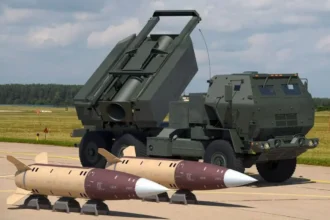
For its part, Moscow accuses Europe of trying to derail the US-Russia dialogue. Russia reacted particularly sharply to Germany’s possible delivery of Taurus cruise missiles to Ukraine, threatening to regard this as Berlin’s direct participation in the war. Meanwhile, fighting continues in Ukraine itself — on the day of the talks, ten civilians were killed in Russian attacks.
Amid rising tensions, France and the UK initiated the creation of a “coalition of the willing” — a group of more than 30 countries working on mechanisms of security guarantees for Ukraine in the event of a ceasefire. This includes, in particular, the formation of a “deterrence force” that would prevent renewed Russian aggression. However, the deployment of an international military contingent, which Kyiv insists on, remains a “red line” for the Kremlin. So far this issue has not been discussed in detail, although France assures that the US is ready to hold a dialogue on security guarantees for Ukraine.
After the talks concluded, President Macron spoke by phone with Volodymyr Zelensky. France seeks to remain an active participant in the peace process and to prevent it from being monopolised by the Trump administration, which is trying to negotiate with the Kremlin directly.
Read also
The meetings in Paris were aimed at developing a shared vision of ending the war and ways to achieve a lasting peace. According to the French foreign minister, this was the first time the US, Ukraine and the Europeans had discussed peace initiatives together, which is especially important amid European fears of being sidelined from the negotiations. The Élysée Palace confirmed that the same format — national security advisers and negotiators from five countries — will meet in London.
One of the key points was the question of a ceasefire between Kyiv and Moscow. It is proposed that it be based on the current front line, taking into account the occupied territories. France stressed that it seeks a “complete and swift” cessation of hostilities.
In addition, France and the UK are actively promoting the creation of a “coalition of the willing” to support Ukraine and secure peace.