




This was reported by the influential British newspaper Financial Times.
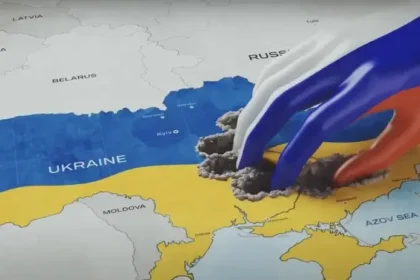
Supporters of buying Russian gas argue that it would lower high energy prices in Europe, encourage Moscow to come to the negotiating table and give both sides a reason to introduce and maintain a ceasefire. And although those discussing it insist these are “preliminary” and “not immediate” decisions, the idea should be taken seriously, since there are countries actively lobbying for the proposal…
However, even a preliminary discussion of the idea of resuming Russian gas supplies to Europe has already drawn a response from Ukraine’s closest allies in the EU.
According to three officials familiar with the course of the talks, the idea has been endorsed by some officials in Germany and Hungary and backed by other capitals that see it as a way to bring down energy costs in Europe.
“Some large member states are pushing on energy prices, and this is of course one way to bring them down,” one of the officials said.
Resuming exports to Europe would significantly boost Moscow’s revenues. Before the war, pipeline supplies from Russia accounted for about 40 per cent of total supplies to the EU, with Germany being the largest importer.
Read also
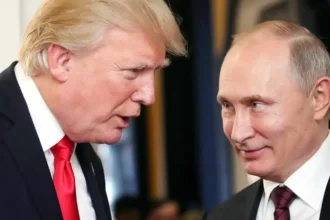
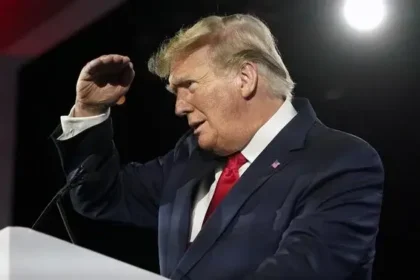
Donald Trump has demanded that the war end “soon”, prompting discussions in Western capitals about what elements are needed for a lasting deal with Moscow. The US president has also threatened the EU with tariffs if it does not buy more liquefied natural gas from America, which is more expensive than pipeline gas.
Resuming pipeline sales from Russia has infuriated Brussels officials and diplomats from some Eastern European countries, many of whom have spent the past three years working to reduce the bloc’s imports of Russian energy.
“It’s insane,” one of the officials said. “How stupid can we be to even think about this as an option?”
Ukrainian President Volodymyr Zelensky said on Wednesday: “Ending the hot phase of the war is crucial… Diplomatic solutions are better: fewer casualties, fewer losses.” His office did not respond to a request for comment on the discussion about resuming purchases of Russian gas.
The renewed debate on gas sales has alarmed some US LNG exporters seeking long-term gas supply deals with European companies. According to two officials, they fear that any resumption of Ukrainian transit could make their product uncompetitive.
This week, Ditte Juul Jørgensen, one of the European Commission’s top energy officials, is in the US meeting LNG exporters for talks on potential long-term supplies.
The EU’s goal is to rid the bloc’s energy system of Russian fossil fuels by 2027. EU Energy Commissioner Dan Jørgensen is due to present a plan to achieve this goal in March.
However, the plight of the EU’s heavy industry has forced European countries to look for cheaper energy sources. Gas in Europe typically costs three to four times more than in the US.
In 2024, Russian gas accounted for about 10 per cent of total supplies, but the figure has halved since the transit contract that allowed gas to be delivered to the EU via Ukraine expired in January.
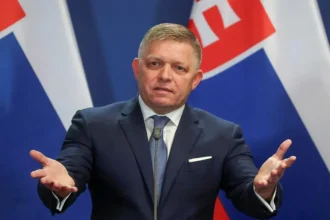
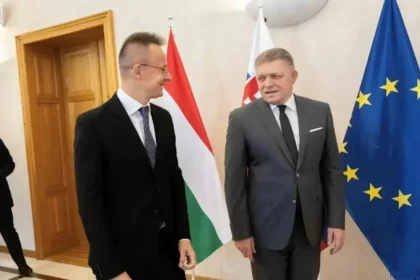
The remaining pipeline carrying Russian gas to the EU is TurkStream via Turkey, which delivers about 7.5 billion cubic metres of gas to Hungary. Budapest, along with Slovakia’s pro-Russian government, is lobbying the EU to pressure Ukraine into resuming gas transit.
“In the end, everyone wants to lower energy costs,” a senior EU official said.
Slovakia, which is directly connected to the Ukrainian pipeline through which Russian gas supplies have stopped, loses €500 million a year in transit revenue. Gary Mazzotti, chief executive of EP Infrastructure, which operates the Slovak section of the pipeline, told the FT that a potential peace deal between Trump and Russia would almost certainly lead to talks on resuming Russian gas supplies.
“When the day of peace comes, I am sure there will be serious discussions about the right volumes of gas supplies to Europe and where they should come from,” Mazzotti said.