




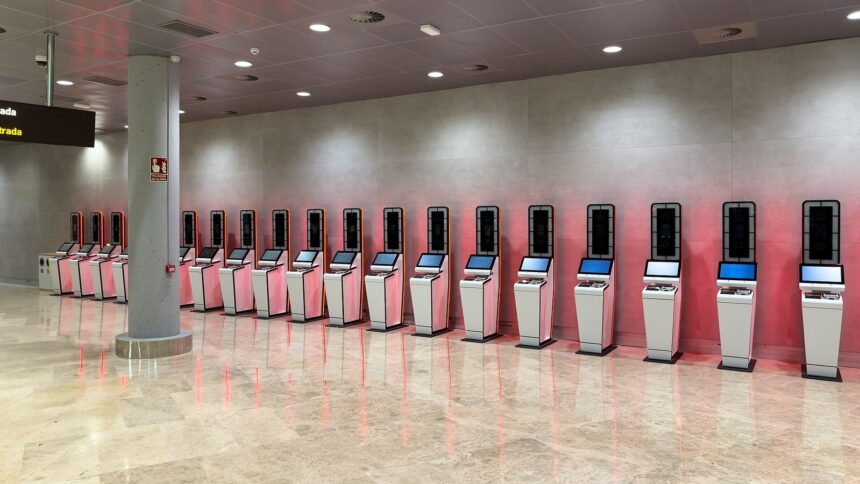
The completion of the system’s rollout was announced on April 10 by the European Commission and the EU agency eu-LISA, which is responsible for its technical operation. The phased introduction of the EES began in October 2025 and lasted 180 days. The system now operates at the borders of all 29 Schengen countries.
The system will help identify those who overstay their permitted stay, prevent irregular movements and combat document and identity fraud.
Magnus Brunner, European Commissioner for Internal Affairs and Migration
What changes at the border
On the first border crossing after the system’s launch, border guards record the traveller’s name, passport details, fingerprints and facial image. After that, the EES automatically records the date and place of each entry and exit, as well as refusals of entry. On subsequent trips it is enough to match the already stored biometrics, so the procedure should be shorter.
The system is designed for short stays: up to 90 days in any 180-day period. Days of stay are now counted automatically. As Babel writes, at road border crossings passengers have to get out of the car to register, while on rail routes the procedure depends on the specific crossing point.
First results
According to European Commission data cited by The Brussels Times, since October 2025:
- the system has registered more than 52 million entries and exits;
- more than 27,000 people have been refused entry;
- nearly 700 people have been identified as a threat to EU security;
- registering one traveller takes 70 seconds on average.
What’s next
From April 10, airlines, sea and bus carriers must check passengers holding single- and double-entry visas through a dedicated eu-LISA service before departure. The next step is to be ETIAS, an electronic travel authorisation for citizens of visa-exempt countries, including Ukraine. As of April, the European Commission planned to launch it in the last quarter of 2026.