



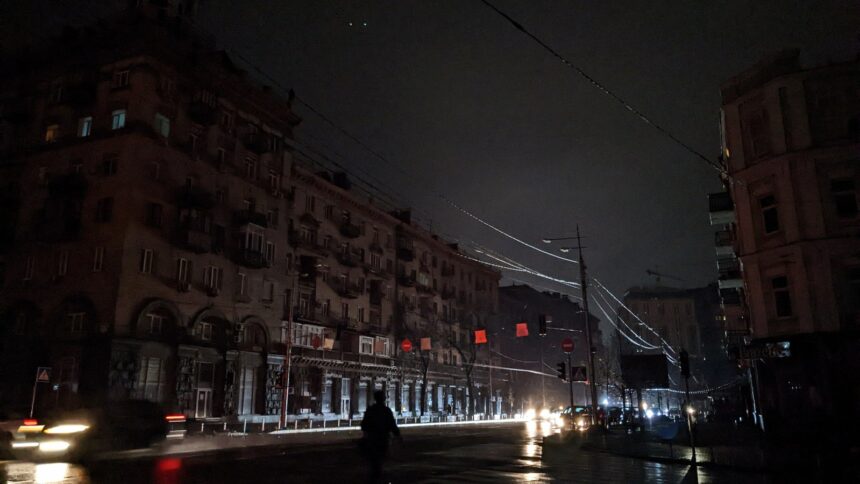
The decisions were presented on January 15, 2026, by Prime Minister Yulia Svyrydenko. According to her, the country’s power system is in a difficult situation due to intense Russian shelling and the harshest winter in 20 years. The government adopted a resolution on overcoming the consequences of a national-level emergency in the power systems. First Deputy Prime Minister and Energy Minister Denys Shmyhal was appointed to lead the response.
The government, energy workers and all services continue to work 24/7.
Yulia Svyrydenko, Prime Minister of Ukraine
Response HQs and the curfew
The Cabinet set up two headquarters operating around the clock: a national one and a separate one for Kyiv and Kyiv Oblast. They coordinate energy workers, utility services, the State Emergency Service and local authorities.
The curfew is being eased in the emergency zone. People will be allowed to travel without passes to invincibility centres and heating points, including in shopping centres that have heating, autonomous power and communications. Private vehicles will also be allowed to move. Entertainment venues are not covered by the easing.
Schools, invincibility centres and generators
- In Kyiv, the Education Ministry and the Kyiv City State Administration are to extend or introduce winter school holidays until February 1, 2026, except for kindergartens. In other regions, decisions on holidays or remote learning will be made locally.
- More than 10,000 invincibility centres are operating across the country, over 1,200 of them in Kyiv. A reserve of 3,300 additional locations is being prepared.
- Within a day, regions’ needs for generators are to be assessed and reserve equipment redistributed to where it is needed most.
- Separately, buildings with electric heating that have been left without power are being checked. The government is considering granting such buildings the status of critical infrastructure facilities.
Imports and saving
The government promises to create conditions for a rapid increase in electricity imports for state companies and businesses. The National Energy and Utilities Regulatory Commission (NEURC) has been asked to simplify the connection of cogeneration units, modular boiler houses and gas-fired power plants. Regional military administrations and the Kyiv City Military Administration are to reduce consumption, in particular by limiting exterior lighting of buildings and advertising.
Lack of heating, water or electricity can be reported by calling 112.