




The Ukravtoprom association published the data on February 9. Of the 2,873 electric vehicles added to Ukraine’s fleet in January, 2,740 were passenger cars: 952 new and 1,788 used ones imported from abroad. Another 133 were commercial vehicles. New cars thus accounted for only about a third of all registrations.
After the December rush
The drop after a record December was expected. According to Ukravtoprom, Ukrainians registered about 32,800 electric cars in December 2025, 8.6 times more than a year earlier: buyers rushed to clear cars through customs while the tax break was still in force. In 2025 as a whole, about 110,200 electric cars were added to the fleet, twice as many as in 2024.
Since January 1, 2026, 20% VAT has been added to the price of an electric car. The import duty remains zero, and excise tax is EUR 1 per kWh of battery capacity. Forbes Ukraine estimates this at roughly UAH 5,000 per car.
What people bought in January
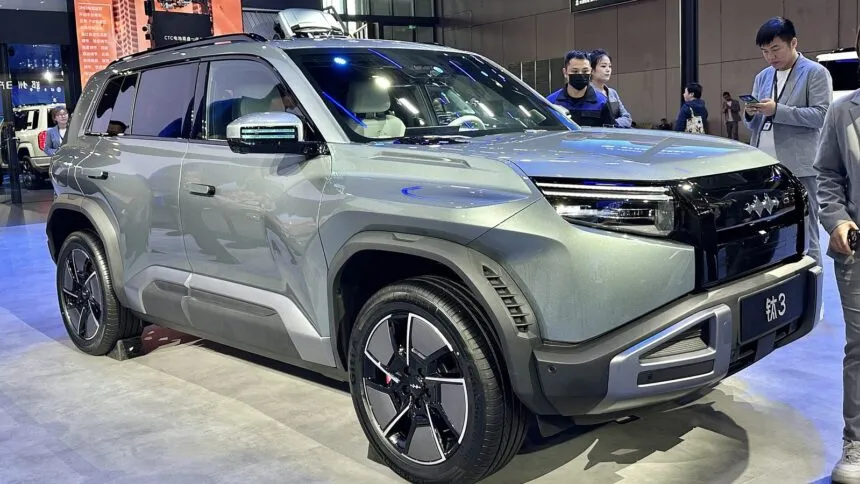
Among new electric cars, models from Chinese brands led the way:
- BYD Leopard 3: 169 cars;
- BYD Sea Lion 06: 97;
- Volkswagen ID.UNYX: 96;
- Zeekr 001: 77;
- BYD Song Plus: 68.
Among used electric cars, the most frequently registered were the Tesla Model 3 (219), Nissan Leaf (213) and Tesla Model Y (169), followed by the Renault Zoe and Kia Niro with 79 cars each.
Why the market cooled
Besides the tax, the outlet Mezha cites two more reasons. Massive attacks on the power grid and blackouts have added risks for electric car owners, and charging has become noticeably more expensive, making an electric car less economical to run.