



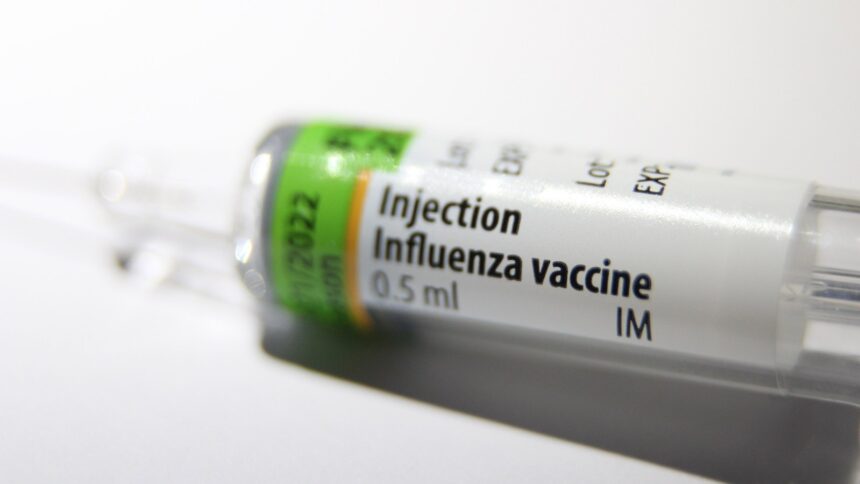
According to the Ministry of Health, the vaccine is made in France. The State Service of Ukraine on Medicines and Drugs Control issued a positive conclusion that its quality meets national and international standards. Another 140,000 doses from a Korean manufacturer are undergoing laboratory testing and are expected to reach the market soon, once a conclusion is issued.
“The most effective flu prevention is annual vaccination, which is recommended (but is not on the list of free vaccines). You can get vaccinated against flu throughout the epidemic season”
Ministry of Health of Ukraine
Why the vaccines were late
Back on October 30, the Ministry of Health, responding to a request from UNN, acknowledged that flu vaccine deliveries to pharmacies were delayed and that vaccination for the new season had effectively not begun. The ministry cited three reasons:
- the switch from quadrivalent to trivalent vaccines in line with updated WHO recommendations on vaccine composition for the 2026–2027 season;
- later availability of materials and reagents for quality control;
- difficulties in producing certain vaccines.
According to the ministry, similar changes in delivery schedules occurred in a number of other European countries. At the same time, the ministry stressed that stocks of vaccines under the mandatory National Immunization Schedule are sufficient.
Who pays for the shot
The flu vaccine is not part of the free National Immunization Schedule. As the Ministry of Health explained to UNN, there is no centralized procurement of seasonal flu vaccines from the state budget: the vaccines are sold commercially, and local authorities can buy them under local programs. According to the ministry, 20,000 doses arrived through humanitarian aid programs in 2025, and by week 43 of that year 6,123 people had been vaccinated against flu, although this figure does not account for all supply channels.
The Ministry of Health recommends vaccination primarily for children from six months of age, older people, pregnant women and women planning a pregnancy during flu season, people with chronic illnesses, as well as health workers and other workers at increased occupational risk.
Flu or a cold
The Ministry of Health reminds that flu is often confused with acute respiratory viral infections, although the difference is significant. Flu starts suddenly, with a sharp rise in temperature, while cough, difficulty breathing and sore throat follow later. In severe cases, it can cause complications affecting the heart, lungs and kidneys. Flu and respiratory infection rates traditionally rise in November–December.

What is known so far
There is no intensive spread of respiratory infections in Ukraine yet. According to the Public Health Center data cited by UNN, 97,520 cases of acute respiratory viral infections were registered in the week of November 2–8, 1.6% fewer than the previous week. A total of 2,054 people were hospitalized, including 1,256 children; there were no deaths from respiratory infections during the week. Since the start of the season on September 28, four flu cases have been laboratory-confirmed, all type A. In total, 613,335 people fell ill with acute respiratory viral infections between September 28 and November 8, 12.8% fewer than in the same period last year.